For every cat owner, their kitten's healthy growth is one of the most important things. However, kittens sometimes stop eating, which can not only affect their growth and development but may also be a warning sign of potential health problems. This article will explore the possible reasons why kittens don't eat and provide a series of effective solutions to help you address this challenge.
Possible reasons why a kitten won't eat.
Adaptation period: A new environment may make kittens feel uneasy and they need some time to adapt.
Health issues: Toothache, digestive problems, or other health conditions can cause loss of appetite.
Food problems: The kitten may not be interested in its current food, or the food may not be suitable for its taste and nutritional needs.
Psychological factors: Emotional problems such as stress, anxiety, or depression can also cause kittens to refuse to eat.
Solution
Provide a safe and comfortable environment: Ensure that the kitten's living environment is quiet, comfortable, and threatening, helping them adapt to the new environment more quickly.
Choose suitable food: Try different brands or flavors of cat food to find the type of food your kitten likes. For kittens, choose cat food that is highly nutritious and easily digestible, specifically designed for kittens.
Feed at fixed times and in fixed quantities: Establish fixed feeding times and reasonable food portions to cultivate the kitten's eating habits.
Create a relaxed feeding environment: Avoid disturbing your kitten while feeding it and create a quiet feeding environment so that it can feel relaxed.
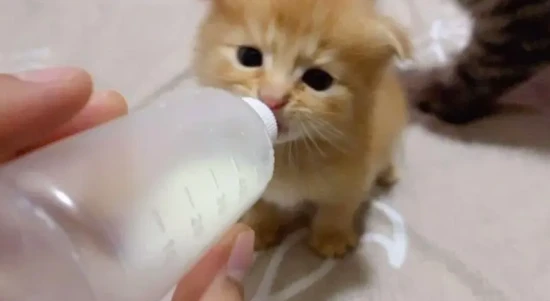
Encourage eating: Gently place food near the kitten's mouth, or use your finger to feed it some wet food to encourage it to try eating.
Seek veterinary care promptly: If your kitten refuses to eat for more than 24 hours, take it to a veterinarian immediately. The veterinarian may perform a comprehensive health check, including an oral examination and blood tests, to diagnose any health problems.
Preventive measures
Regular check-ups: Ensure your kitten receives regular health check-ups by a veterinarian to prevent diseases that may affect its appetite.
Balanced nutrition: Provide kittens with a balanced diet to ensure they get enough energy and nutrients to support healthy growth.
Observe behavioral changes: Closely monitor changes in the kitten's behavior and eating habits, and promptly identify and address any issues.
A kitten's refusal to eat can be caused by a variety of reasons, including environmental adaptation, health problems, food choices, and psychological factors. Providing a comfortable environment, choosing suitable food, creating a relaxed eating atmosphere, and seeking timely veterinary care can effectively resolve a kitten's loss of appetite. As a pet owner, understanding and meeting your kitten's needs is key to supporting their healthy growth. Remember, it's crucial to seek professional veterinary help promptly when problems arise.