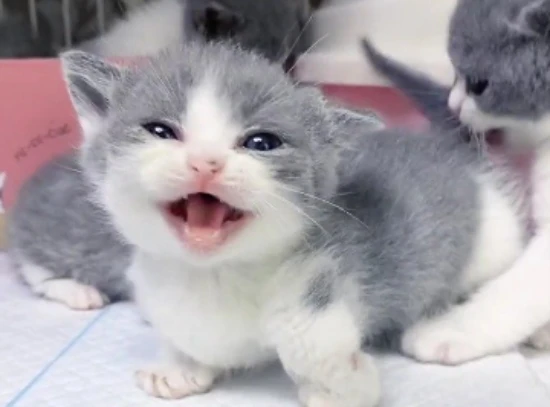
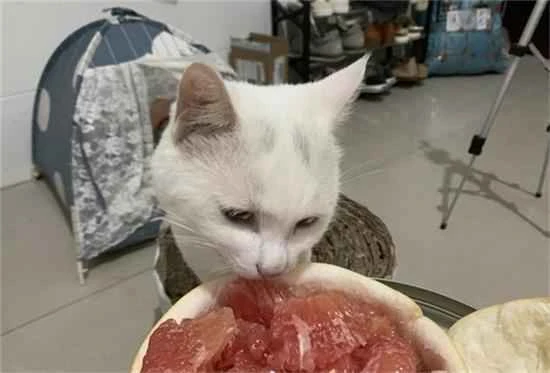
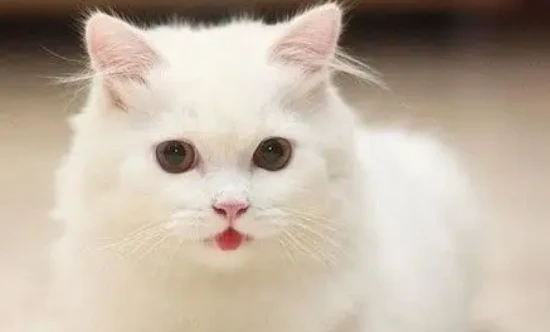
Sneezing in kittens is a common occurrence for pet owners, and it can be both adorable and worrying. Sneezing is a natural reflex that helps clear foreign objects from the nasal passages. However, frequent sneezing in kittens can be a sign of health problems. This article will explore the common causes of sneezing in kittens and provide corresponding solutions to help pet owners better care for these little ones.
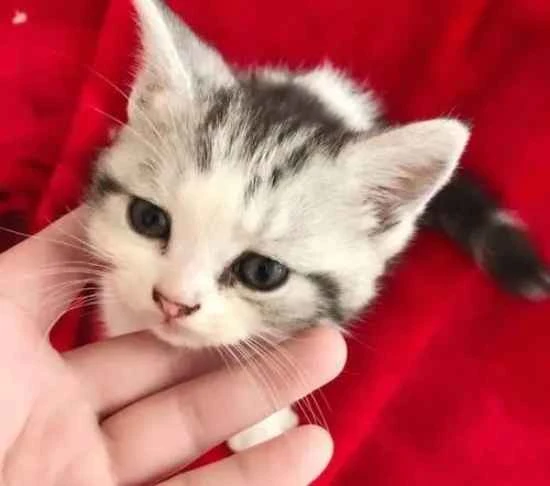
Common causes of sneezing in kittens
Environmental irritants : Environmental factors such as dust, pollen, cigarette smoke, or the smell of chemical cleaners can irritate a kitten's nasal passages, causing it to sneeze.
Upper respiratory tract infection : Kittens' immune systems are not fully developed, so they are susceptible to upper respiratory tract infections caused by viruses or bacteria, such as feline rhinobronchitis virus (FVR) and calice virus (FCV).
Parasites : Some parasites, such as nasal nematodes, although uncommon, can also cause kittens to sneeze.
Foreign objects : Kittens are curious and like to explore their environment. Sometimes they may inhale small particles or other substances, causing foreign objects in their nasal cavity and resulting in sneezing.
Dental problems : Dental problems in kittens, especially in the upper jaw, can sometimes cause sneezing.
Allergies : Kittens may be sensitive to food, dust mites, or other allergens, and these allergic reactions may cause sneezing.
Response measures
Environmental management : Keep the home environment clean, clean the kitten's living area regularly, use unscented cleaning products, avoid the use of smoke and strong perfumes, and reduce the kitten's chances of sneezing.
Veterinary examination : If a kitten sneezes frequently, especially if accompanied by symptoms such as watery eyes, runny nose, loss of appetite, or decreased energy, it should be taken to a veterinarian immediately. The veterinarian may perform appropriate examinations and treatments based on the symptoms.
Keep them well-hydrated : Make sure kittens have plenty of water to drink, as hydration helps relieve upper respiratory symptoms.
Nutritional support : Provide nutrient-rich food to help kittens build a strong immune system and resist disease.
Avoid allergens : If you suspect that your kitten’s sneezing is caused by allergies, try to identify and avoid contact with potential allergens.
Regular deworming : Follow your veterinarian's advice to regularly treat kittens for internal and external parasites to reduce sneezing problems caused by parasites.
While occasional sneezing in kittens may be harmless, frequent sneezing can indicate a health problem that requires attention. Problems causing sneezing in kittens can be effectively managed and prevented through careful observation, timely veterinary care, and creating a healthy living environment. Remember, proactive preventative measures and continuous attention to your kitten's health are key to their healthy growth.