Food allergies:
Food allergies are a complex clinical condition in dogs and cats, difficult to diagnose, treat, and avoid.
Food allergies can cause atopic dermatitis in dogs and can coexist with feline atopic syndrome (feline atopic syndrome).

Principles and Mechanisms
Food allergy is a clinical condition resulting from the body's failure to tolerate food, leading to immunoglobulin E (IgE) or non-IgE-mediated immune disorders.
Food allergies are not always simple allergic reactions; they may be the result of food intolerance, toxins, and pathogen invasion at the same time, such as the proliferation of opportunistic pathogens Clostridium perfringens or ascariasis.
symptom
Dogs: Mostly urticaria, recurrent pyoderma, and itching on the lower back.
Cats: Mostly hives, conjunctivitis, and respiratory symptoms.
Both cats and dogs can experience intestinal symptoms.
Otitis externa and otitis media may be the result of allergic symptoms.
Some dogs and cats exhibit allergic reactions to their environment.
The image, sourced from a reference, shows how dietary changes can alleviate food allergies in cats.
allergens
The most common food allergens are between 15-40 kDa (kDa is a unit of molecular weight).
Dogs: Beef, dairy products, chicken, and wheat are the most common allergens in dogs.
Cats: Chicken, beef, and fish are the most common allergens for cats.
Known components:
Specific allergens in beef: bovine serum albumin (Bos d6), phosphoglutaminase, bovine IgG (Bos d7);
Specific allergens in eggs: ovalbumin (Gal d1), ovalbumin (Gal d2), ovotransferrin (Gal d3), and allergy-specific IgE;
Specific allergens in fish: tropomyosin, enolase (Gad m2).
Cross-sensitivity reaction: An allergic reaction to substances with similar structures that results in similar or incomplete cross-sensitivity reactions.
Studies have confirmed the existence of serum IgE cross-reactivity between chickens and fish;
Serum cross-reactivity has been further demonstrated among poultry, ruminants, and between poultry and grains. Dogs and cats with allergies should have a clear and accurate dietary history, and cross-feeding should be avoided after dietary elimination experiments.
In human food allergies, pollen can cause allergic reactions to food, known as pollen-food allergy syndrome (PFAS). Although there are no related studies in cats and dogs, many canine and feline food allergies are indeed seasonal, and they are prone to sudden allergic reactions to certain foods during pollen seasons.
Cross-sensitivity can make food choices difficult, as it may cause an allergic reaction to a completely new protein, or it may cause an allergic reaction due to a combination of different types of food.
Aside from food allergies, combinations of plants and insects in the environment can also cause allergies in cats.
Diagnosis and adjustment
Serum IgE allergen testing has been subject to considerable scrutiny, and due to a lack of consistency in its results and with clinical food choices, it has proven unreliable in predicting clinical allergies.
Similarly, the determination of serum IgG or the detection of food-specific antibodies in saliva are unreliable.
Intradermal patch testing has good negative predictive value and can help select proteins for dietary elimination tests, but it is not very practical because the allergen needs to be in contact with the skin for 48 hours, and its positive predictive value is low. (That is, a negative result for an allergic reaction to a substance has high reference value, while a positive result has low reference value, and the procedure is inconvenient.)
Therefore, the dietary elimination test is currently the only method to definitively diagnose food allergies. Simply put, it involves systematically eliminating foods that might trigger an allergic reaction.
Dietary choices
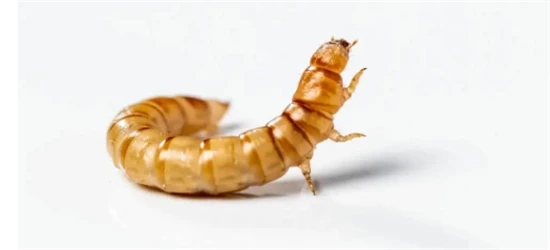
In theory, when choosing food, one should select protein and carbohydrate sources that have never been encountered before, but in reality, finding such commercially available foods is extremely difficult. Some have proposed using insects as a novel protein source to manage food allergies, as insects contain highly digestible proteins.
However, insects may contain IgE specificity associated with storage mites and dust mites, making them a less reliable option for patients allergic to these substances.
In commercial food products, even novel proteins can be easily contaminated by other products. Since production lines typically produce more than one type of food, various studies have demonstrated that external contamination can be detected in 33%-83% of these foods using methods such as PCR and ELISA.
Therefore, the search for novel proteins and cross-allergy reactions make food choices more complex. As a result, hydrolyzed proteins are often used instead of novel protein options. Proteins are usually hydrolyzed into molecules with a molecular weight of less than 5kDa, which theoretically makes them less likely to cause allergic symptoms.
Hydrolyzed foods usually contain carbohydrates, and in this respect, cornstarch is less likely to cause allergies than corn flour.
A study experimented on 10 dogs allergic to chicken, feeding them a diet of hydrolyzed poultry feathers with a molecular weight of less than 1 kDa. The results showed that these dogs did not exhibit any clinical symptoms. However, if only a portion of the food was hydrolyzed, 40% of the dogs still showed clinical reactions.
Choosing homemade meals offers a better chance of avoiding external contamination compared to commercially prepared meals, but ensuring nutritional balance can be more challenging. However, with the guidance of a nutritionist, homemade meals can be adjusted to meet nutritional needs.
Dietary elimination experiment
Once a food allergy is identified, a dietary elimination experiment can be started, using only meat protein and only carbohydrates (if necessary) for at least two weeks.
If an allergic reaction occurs, return to the new protein diet or hydrolyzed diet, and then transition to the next food to try.
85% of dogs will show improvement within 5 weeks after the dietary elimination test, and 95% of dogs will show improvement after 8 weeks; cats can achieve 80% improvement in 6 weeks, and 90% of cats will show improvement after 8 weeks.
Intestinal symptoms often disappear earlier than skin symptoms.
Using anti-inflammatory drugs can shorten the dietary elimination test to 4-6 weeks. If the itching does not reappear within two weeks after completely discontinuing prednisolone or ibuprofen.
The relief and persistence of symptoms should be interpreted with caution, especially when the cat has both environmental and food allergies.
Given that allergies may vary seasonally, with environmental allergies being more common in summer, dietary elimination experiments would be more efficient in winter.