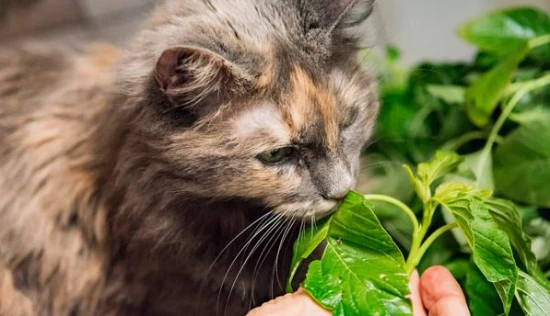
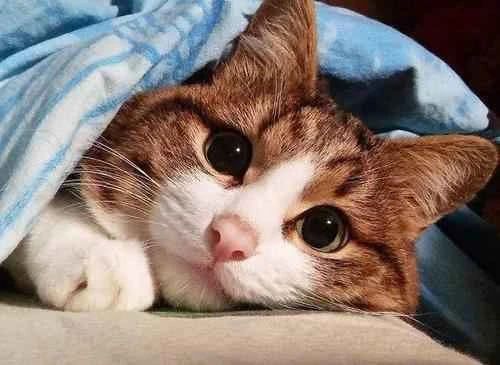
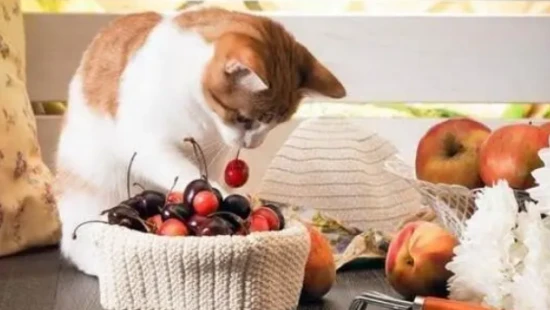
Do you remember what it was like when you first brought your cat home? Was it like a tiny ball of yarn, barely able to walk? Or was it stretching its head out, curiously and nervously exploring its new environment?
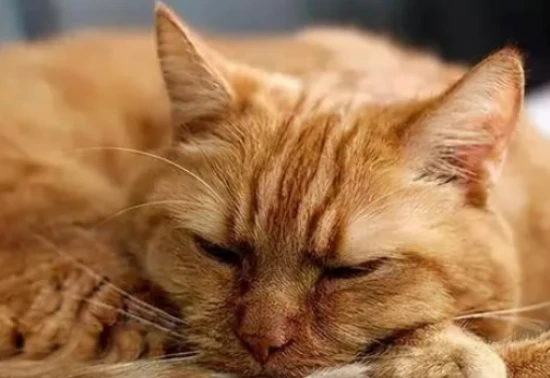
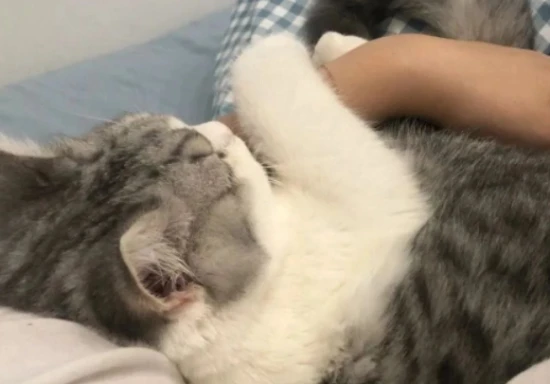
This indicates that your cat has entered its senior years and requires more meticulous care. Generally, cats officially enter their senior years after the age of 10. Specific signs may include:
Increased sleep time
hearing and vision loss
The frequency of grooming and licking gradually decreased
He started becoming a picky eater and had incontinent urination and defecation problems.
...
If you notice these changes in your cat, please be patient with it, and even more patient. Because it still loves you and depends on you just as much as before; it is still itself.
A responsible pet owner should be conscious of keeping records of poop and pee.
Especially as cats get older, their chances of developing cystitis and kidney disease increase. If you notice your cat straining in the litter box for a long time without success, or drinking and urinating too frequently, it's recommended to take it to the vet for a checkup as soon as possible.
In addition, some cats may experience significant changes in their diet as they age.
For example, your cat might start to dislike foods it used to enjoy, or its appetite might suddenly increase or decrease. You'll need to observe these carefully. Also, if you notice your cat's appetite hasn't changed, but it's losing weight, be sure to take it to the vet for a thorough checkup as soon as possible.