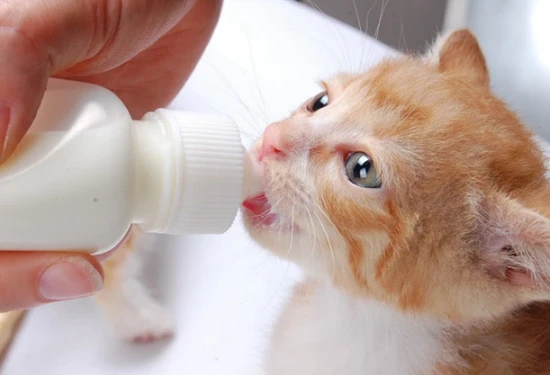
As members of the family, the health and well-being of pet cats are of great concern. Sometimes we may find that our cats are too thin, which causes us worry.
I. Reasons why a cat is too thin
There are many reasons why a cat might be too thin, including:
1. Health Issues: Illness or the recovery phase from illness can cause weight loss in cats. Some common health issues include digestive problems, gastrointestinal infections, and thyroid problems.
2. Dietary issues: The cat's diet may not be providing enough nutrition. This could be due to an unsuitable diet, incorrect feeding frequency, or other dietary problems.
3. Competition, stress, or anxiety: If there are other pets in the house or the cat is in a stressful or anxious environment, they may lose weight due to reduced appetite.
II. Methods of gaining weight
Here are some ways to help your cat gain weight:
1. Veterinary Consultation: First, if you notice your cat is too thin, you should consult a veterinarian. The veterinarian will conduct a thorough examination to determine the cat's health condition and provide appropriate advice and treatment options.
2. Proper Diet: Ensuring your cat receives a nutritionally balanced diet is crucial. Choose high-quality cat food recommended by your veterinarian, which is high in protein to support muscle growth. Avoid human food, especially foods containing spicy seasonings and those harmful to cats.
3. Small, frequent meals: If your cat has a small appetite, divide its daily food into several smaller meals at different times. This will help increase your cat's food intake.
4. Cat treats: Consider providing your cat with some highly nutritious cat treats as an extra source of energy. However, remember that treats are only a supplement and should not be the main source of their diet.
5. Create a positive environment: Provide a quiet, non-competitive, and stress-free environment. Avoid letting your cat compete with other pets for food, and provide them with comfort and a sense of security.
III. Maintaining a healthy weight
Once a cat reaches its ideal weight, we need to take measures to maintain its healthy weight:
1. Regular exercise: Provide appropriate exercise to help your cat maintain a healthy weight. Use cat toys and provide ample space for movement and interaction.
2. Control your cat's diet: Follow your veterinarian's advice to control your cat's food intake to ensure that the amount of food consumed each day is appropriate.
3. Regular check-ups: Take your cat to the veterinarian for regular health check-ups to ensure they are in good weight and overall health.
When we find our cat is too thin, we need to find the underlying cause and take appropriate measures. Consulting a veterinarian is crucial; they will provide personalized solutions based on the cat's specific situation. A proper diet, small, frequent meals, providing highly nutritious cat treats, and a good environment are all ways to help cats gain weight. Once the cat reaches the ideal weight, we should take steps to maintain its healthy weight and ensure regular checkups and dietary control. By paying attention to our cats' diet and health, we can ensure they lead happy and healthy lives.