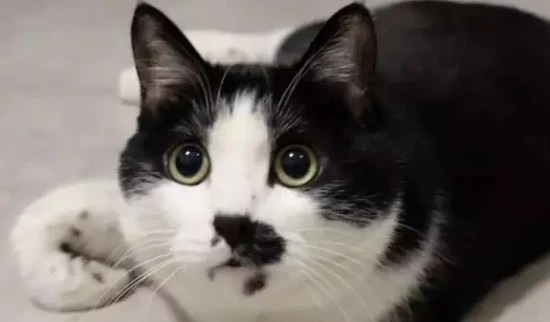
Cats should not be kept outdoors in winter. Cats left outdoors in winter may suffer frostbite or even freeze to death; this is because cats are not cold-hardy animals, especially domestic cats, which have long lost the ability to survive alone in the wild. When the temperature drops below 10 degrees Celsius, cats may suffer frostbite or even death. Most kittens born in winter, even with their mothers, will struggle to survive their first winter without proper care and warmth, let alone being outdoors. Adult cats, even if they don't freeze to death, are highly likely to suffer frostbite, and severe frostbite can be life-threatening. Therefore, under no circumstances should cats be kept outdoors.
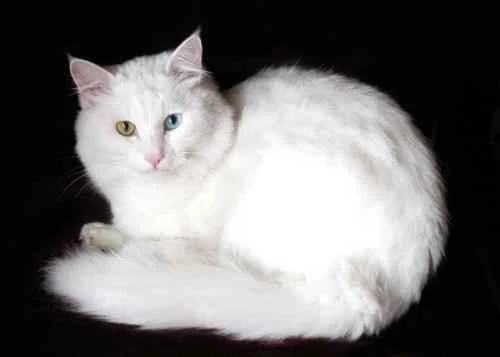
Cats should be kept indoors in winter and their warmth should be ensured by dressing them. Cats naturally have thick fur, and they grow additional downy fur in winter for self-insulation. However, if you have a short-haired cat, you might worry about them not having enough "sweaters." It's perfectly fine to dress your cat in warm clothing. When buying clothes for your cat in winter, choose according to their needs. If you're going to take your cat out, choose warmer materials such as wool, soft leather, or windproof materials. If it's just for everyday indoor wear, thicker cotton clothing will suffice.
Of course, don't force your cat to wear clothes if they're not comfortable with it. Prepare a warm cat bed by placing enough warm padding, blankets, or other insulating items inside. The cat bed should be placed in a sheltered spot. An electric heater can be used to maintain the room temperature. Place it in a location where your cat often stays. When purchasing a heater, make sure its base is stable and won't tip over easily if pushed by your cat. Also, check if the heater automatically shuts off if it does tip over. You can also use air conditioning to regulate the ambient temperature, but be mindful of humidity levels to avoid excessive dryness and static electricity.