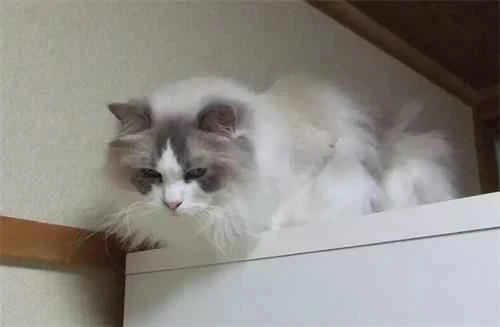
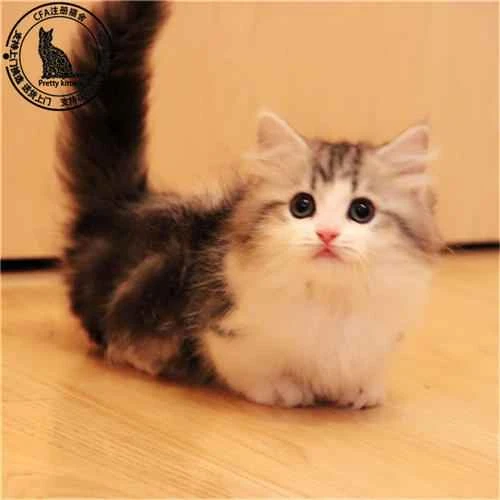
When you notice your adorable cat shedding excessively, you might feel worried and confused. Shedding is a normal physiological phenomenon in cats, but excessive shedding can be caused by a variety of factors. Next, I will share some methods to address cat shedding issues and help your cat have healthy skin and a beautiful coat.
1. Dietary adjustments
Ensuring your cat's diet is balanced and contains sufficient protein, vitamins, and minerals is crucial for reducing shedding. Protein is an essential nutrient for healthy growth and maintaining a robust immune system, while vitamins and minerals are key to healthy skin and coat. Omega-3 and Omega-6 fatty acids are beneficial for a cat's skin health, reducing dryness and itching, which in turn reduces shedding. Therefore, consider adding foods or supplements containing these fatty acids to your cat's diet to help improve skin health and reduce shedding.
2. Regularly review and organize
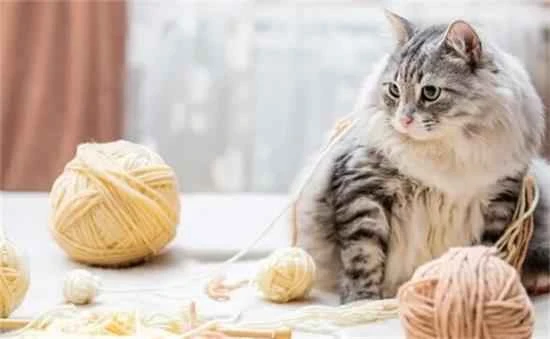
Regular brushing is an important step in caring for your cat's skin and coat. Regular brushing effectively removes dead skin and loose fur, reducing hairballs. It also stimulates the skin, promotes blood circulation, helps maintain healthy skin, and reduces shedding. Long-haired cats especially need frequent brushing to prevent tangles and keep their fur clean. Therefore, regular brushing not only reduces shedding but also makes your cat's coat softer, smoother, and shinier.
3. Environmental control
Maintaining clean indoor air is crucial for reducing shedding in cats. Dust and allergens are common causes of shedding, especially for family members with a history of allergies. Regularly cleaning floors, furniture, and curtains, and using air purifiers or air fresheners can effectively reduce dust and allergens in the air, thus reducing shedding. Additionally, regularly cleaning your cat's sleeping area and toys is also an important step in maintaining clean indoor air. These methods can significantly reduce shedding, providing your cat with a more comfortable and healthy living environment.
4. Reduce stress
Providing ample play and interaction time is a crucial way to reduce anxiety and stress in cats, and it also helps reduce shedding. Cats are very curious and active animals; if they are bored or lonely for extended periods, they are prone to anxiety and stress, which can lead to shedding. Therefore, regularly interacting with your cat and providing a variety of toys and games allows them to expend excess energy, reducing anxiety and stress, and thus reducing shedding. Furthermore, building a close bond with your cat and providing love and warmth are also important factors in reducing anxiety and shedding. Through these methods, you can help your cat maintain a happy and healthy life.
5. Drug treatment
If your cat's hair loss is caused by skin problems or other health issues, it may require medication prescribed by a veterinarian. Skin problems such as skin infections and allergies can cause hair loss in cats, requiring a veterinarian to diagnose and prescribe appropriate medication. Other health problems such as external parasites, thyroid issues, and malnutrition can also cause hair loss, requiring further examination by a veterinarian and the prescription of medication based on the results. Therefore, if your cat has severe hair loss and other methods are ineffective, it is recommended to seek veterinary care promptly for professional diagnosis and treatment to address the cat's health problems and reduce hair loss.
6. Regular inspections
Regular veterinary checkups are crucial for ensuring your cat isn't experiencing excessive shedding due to unforeseen health issues. A veterinarian can determine if there are any health problems by examining the cat's body, skin, and coat. If any potential issues are detected, the veterinarian can diagnose them promptly and provide appropriate treatment to reduce shedding. Regular checkups also help monitor your cat's health, allowing for early detection and intervention of potential problems, ensuring your cat's health and well-being. Therefore, regular veterinary checkups are an essential step in caring for your cat's health.
Raising a cat is like raising a child, and excessive shedding is a problem that needs attention. We can effectively help reduce shedding by providing a proper diet, regular grooming, environmental control, and stress reduction. However, if the shedding problem persists and becomes severe, it is recommended to consult a veterinarian promptly to determine if there is a health issue and to take appropriate treatment measures. Let's use love and care to give our cats a healthy and comfortable living environment so that they can always maintain beautiful and healthy fur.