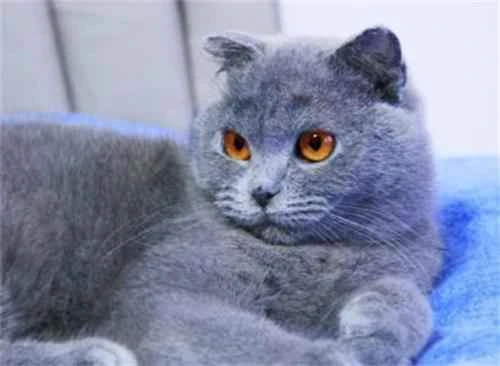
Does being allergic to cat fur mean you can never be around cats again? This would be a devastating blow to any cat lover. Let's find out the culprit behind allergic reactions, and discover that cat fur allergies can actually be avoided!
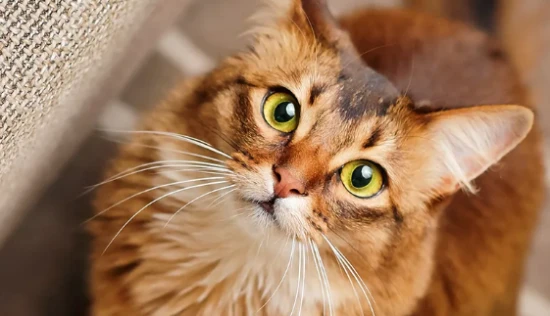
1. Common allergens
Fel d1 is a protein and one of the most common causes of cat allergies.
All breeds of cats produce Fel d1, which is mainly produced by the sebaceous glands and salivary glands of cats and is ubiquitous in the skin, fur and saliva of cats.
According to statistics, about 95% of people who are allergic to cats are allergic to Fel d1, while the rest may be allergic to other small molecules in saliva, such as Fel d2.
2. What is Fel d1?
All cats
Studies have shown that all breeds of cats produce Fel d1, although the yield may vary between individuals.
Long-term existence in the environment
Due to its light and sticky properties, Fel d1 can remain on furniture, carpets and other surfaces for a long time, even after the cat has been given away.
Widely distributed
This protein is found more often in cat dander and saliva. When cats groom themselves, they spread saliva containing Fel d1 all over their fur.
Light and easily diffused
Fel d1 is very mild and can be easily spread through the air by a cat's daily activities. It can accumulate in many places in the home and is easily inhaled by humans.
Highly allergenic
Many people who are allergic to cats are very sensitive to Fel d1. Even very small amounts of Fel d1 can trigger an allergic reaction.
3. How to resolve cat hair allergy
Managing the exposure of Fel d1 is key!
Fel d1 may act as a pheromone and chemical signal in cats. Current research cannot confirm whether completely eliminating its production is harmful to cats. Therefore, from a safety perspective, choosing a reversible and gentle method is beneficial to the cat's health!
Controlling indoor air quality
HEPA air purifiers can be used at home, especially in key activity areas such as bedrooms and living rooms. Maintain good indoor air circulation by opening windows regularly.

It Minrui Anti-allergy Spray
This versatile spray can be used to remove allergens from the environment, such as sofas, sheets, cat beds, and the air. It can also be used to wipe your cat's skin to remove allergens, similar to Allerpet. Additionally, you can spray it on your own skin for extra protection.
Restrict the cat's activity range
Try to keep your cat away from bedrooms and other areas frequently used by allergy sufferers. Consider using a pet fence to limit your cat's activity area.
Clean your cat regularly
Brush your cat daily to reduce dandruff and loose fur. Bathe your cat regularly, remembering to use a mild pet-specific shampoo!
Personal protection
Wash your hands after interacting with the cat and avoid touching your face. If the allergy is severe, consult a doctor immediately for further advice and treatment.