While a cat won't necessarily die from vomiting after eating shrimp, there are certainly some risks. Shrimp contains a substance called propanol, and cats lack the enzyme to effectively metabolize propanol in their livers, potentially leading to propanol poisoning, affecting the central nervous system, and in severe cases, even death. Furthermore, shrimp heads contain high levels of arsenic, which is toxic to cats. Excessive consumption of shrimp can also cause indigestion, vomiting, and diarrhea in cats.
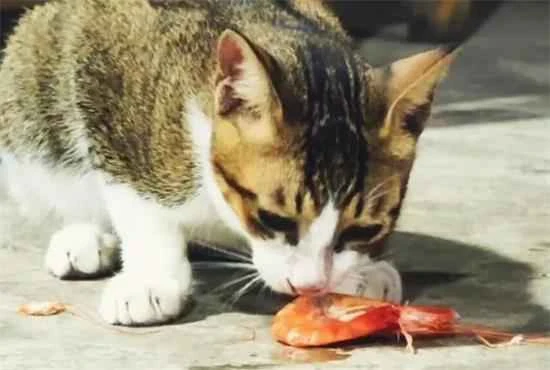
However, if shrimp is not fully cooked, it may contain parasites, posing a health risk to cats. However, not all cats will have adverse reactions to eating shrimp. Some cats can eat shrimp in moderation without any problems. If a cat develops symptoms such as allergies or indigestion after eating shrimp, it should be taken to the vet immediately. In general, to protect your cat's health, it's best to avoid feeding them shrimp, especially uncooked crayfish or shrimp heads.