Reasons and solutions for white dander mixed in with cat's fur:
1. Skin is too dry
If a cat's living environment is too dry, causing its skin to become dry, flaky, and itchy, leading to scratching and the production of dandruff, the owner can try applying a warm, damp towel to the cat's face or using a humidifier to alleviate the dryness.
2. Skin diseases
Parasitic diseases, bacterial infections, and fungal infections can all cause skin diseases in cats, leading to hair loss, dandruff, and intense itching. Owners can examine their cat's fur; if they find redness, round or oval ringworm patches, or scabs, it's very likely a skin disease. In this case, the owner should take the cat to a veterinary clinic for examination to determine the specific cause and receive appropriate treatment. 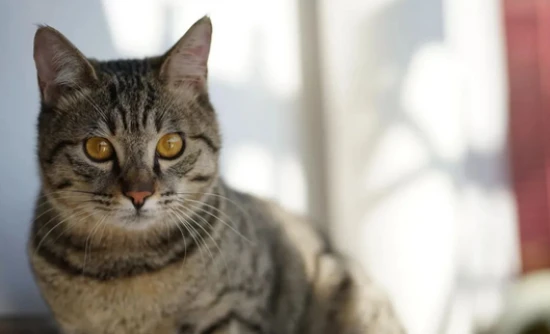
3. Improper bathing
Human and cat skin have different pH levels. If owners use human shampoo on their cats for extended periods, it may cause problems such as hair loss, dandruff, rough and dull fur. Furthermore, frequent bathing can damage a cat's skin, leading to hair loss and dandruff. Therefore, it is recommended that owners use pet-specific shampoo when bathing their cats and avoid bathing them too frequently; once every 1-2 months is generally sufficient.
4. Malnutrition: A lack of nutrients such as vitamins and proteins can lead to problems like split ends and dryness in the fur. Provide your cat with a balanced diet, and supplement with vitamins and proteins as needed.
5. Dry climate: In low humidity environments, skin is prone to dryness and hair loss. Use a humidifier to increase indoor humidity, and bathe and groom your cat appropriately to keep its skin clean.