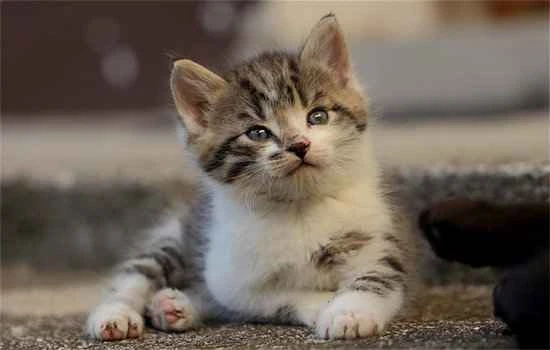
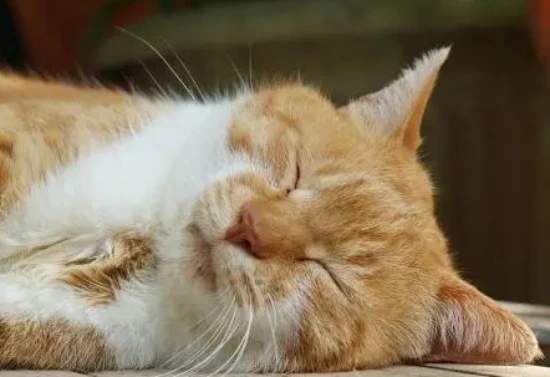
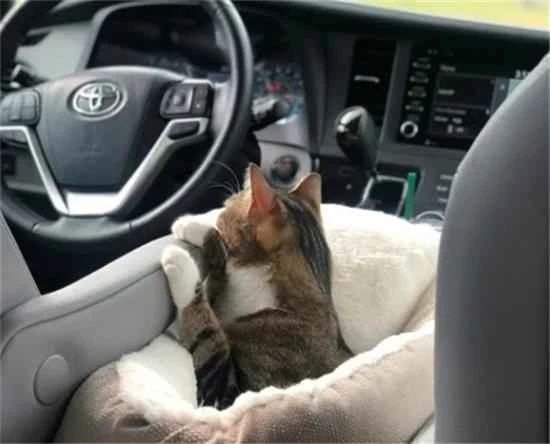
Cats can eat small amounts of Want Want Little Buns, but it is generally not recommended to feed them to cats. This is because the main ingredients of Want Want Little Buns are starch, eggs, and wheat flour. Cats' teeth are mainly used for cutting food, and their chewing function is relatively poor. Foods like Want Want Little Buns that melt quickly in the mouth can cause oral discomfort in cats. 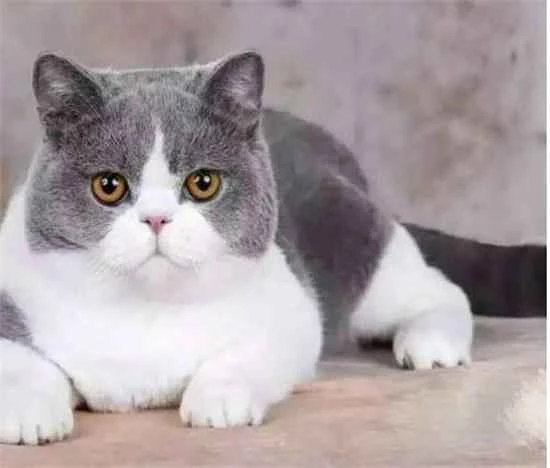
What foods should cats not eat?
1. Vegetables include potatoes, toon leaves, broccoli, taro, spinach, houttuynia cordata, mushrooms, ginger, and onions, leeks, scallions, and other allium vegetables. Allium vegetables contain components that damage cats' red blood cells, causing hemolytic anemia, resulting in symptoms such as hematuria, vomiting, and fever, and in the most severe cases, death.
2. Milk. Cats have delicate digestive systems, and many are lactose intolerant, which can easily cause vomiting and diarrhea after drinking milk. However, there are exceptions (such as lactose-free milk), but it's best to choose cat-specific food whenever possible.
3. Alcoholic beverages. Ethanol is a component of alcoholic beverages. If ingested in excess, it can cause poisoning in cats, damaging their brain and body cells and causing symptoms such as vomiting, diarrhea, difficulty breathing, and neurological abnormalities.
4. Avoid giving cats treats such as chocolate and coffee, which contain high levels of theobromine and caffeine, as well as all nuts, as these can cause poisoning. Ham sausages are high in salt; excessive salt intake can burden a cat's kidneys, cause dry and frizzy fur, and even lead to hair loss. Canned tuna (human food) should also be avoided, as it lacks essential vitamins and minerals, potentially causing malnutrition. Finally, avoid seasonings, high-sodium, and oily foods, as these can worsen tear stains and hair loss.
5. Fruits include apples, grapes, star fruit, avocados, persimmons, mangoes, peaches, cherries, pomegranates, pears, as well as acidic fruits such as lemons, oranges, passion fruit, grapefruits, tangerines, plums, and apricots. Acidic fruits can irritate a cat's stomach and intestines, causing vomiting and diarrhea. Raisins should also be avoided, as they, like grapes, can cause kidney failure in cats.
6. Shellfish such as shrimp, shellfish, bonito flakes, and dried small fish can hinder a cat's absorption of vitamin B, so try to avoid feeding them to your cat. Furthermore, the strong flavors of these seafoods may cause your cat to develop a preference for strong flavors and become a picky eater.
7. Plants include Monstera deliciosa, Bird of Paradise, Snake Plant, Philodendron bipinnatifidum, Cycas revoluta, Dieffenbachia, Ivy, Epipremnum aureum, Lily, Hydrangea, Chrysanthemum, Oleander, Tulip, Poinsettia, and Phalaenopsis. Many of these plants are poisonous and irritating, especially to the gastrointestinal tract, so the best way is to keep cats away from them.
8. Cats should not eat fish bones or small bones from other poultry, as these can cause digestive problems, scratch the esophagus, or block the intestines.
9. Do not feed your cat raw meat, raw fish, raw eggs, or other raw foods, as these contain a lot of bacteria and can easily cause bacterial infections in your cat.
10. Cats should not eat animal liver. Long-term consumption of liver can easily lead to calcium deficiency. In addition, liver is rich in vitamin A, and excessive intake can cause abnormal bone development and lead to vitamin A poisoning in cats.
11. Do not feed your cat leftovers for a long time. Cats are carnivores and have a high protein requirement. Otherwise, they are prone to malnutrition.