Eight dietary restrictions for Bengal cats:
1. Feeding cats indiscriminately: When raising cats, owners must be careful not to feed them random foods, especially chocolate, grapes, onions, and garlic, as these foods are toxic to cats.
2. Feeding leftovers: When raising cats, many pet owners have probably fed them leftovers. It is recommended that owners do not feed their cats too much, because feeding them too much can easily cause problems such as ringworm, rough fur, and tear stains.
3. Overfeeding: Cats have a very small appetite. Owners should never treat their cats like pigs. Such behavior will burden the cat and easily damage its intestines.
4. Don't feed it meat: Cats are carnivores, so animal protein is very important to them. Owners should not force their cats to be vegetarians, otherwise the cats will not be able to obtain the nutrients they need to maintain their health. 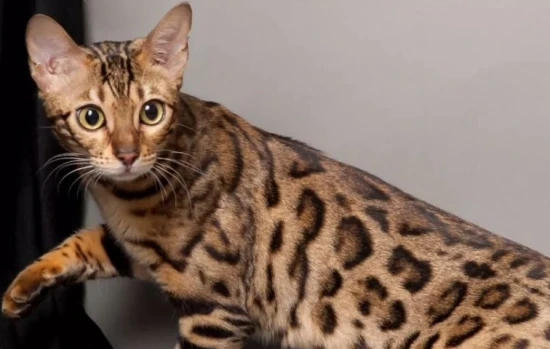
5. Feeding it chicken liver: Chicken liver contains a large amount of vitamin A. Long-term consumption can lead to excessive vitamin A intake in cats. If the vitamin A cannot be excreted in time, it can cause vitamin A accumulation poisoning, resulting in diseases such as pain, lameness, and tooth loss.
6. Feeding chicken bones: Many families feed their cats leftover bones, but this is not good. Cats rarely chew their food carefully and tend to gobble it down. Chicken bones are very sharp and can injure their throats.
7. Feeding it seafood: Seafood is high in purines and difficult to digest. It can cause vomiting and diarrhea in cats, and in severe cases, it can even lead to death.
8. Feeding high-sodium foods: Cats drink less water, and excess salt cannot be metabolized and will remain in the kidneys, putting a serious burden on the cat's kidneys. Over time, the cat is prone to fatal diseases.
Feeding tips for Bengal cats:
1. If you provide a raw meat and bone diet, it is recommended, provided that you can provide a proper diet. This is because the raw meat and bone diet is actually imitating the process of cats hunting wild food in the wild, but it requires providing meat, a certain proportion of offal, bones, etc.
2. In addition, feeding cats raw meat and bones has another small advantage: when cats gnaw on fresh meat and bones, it helps clean their teeth, prevents bad breath and oral diseases, and helps develop their mouth muscles.
3. If feeding cat food, 1 pound every 5 days is sufficient. If feeding raw meat and bones, 200-250g/day is optimal. There is no single best method; the best approach is to choose the feeding method that best suits your individual needs.