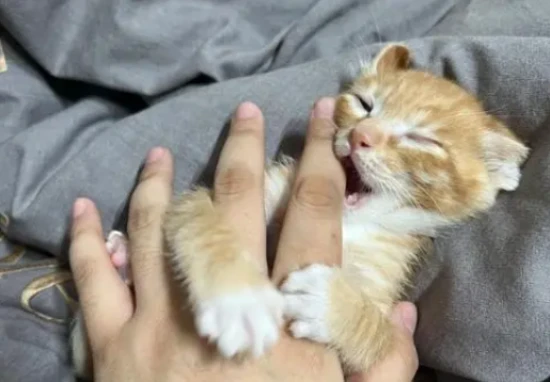
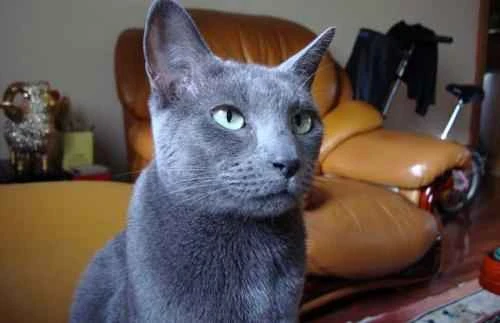
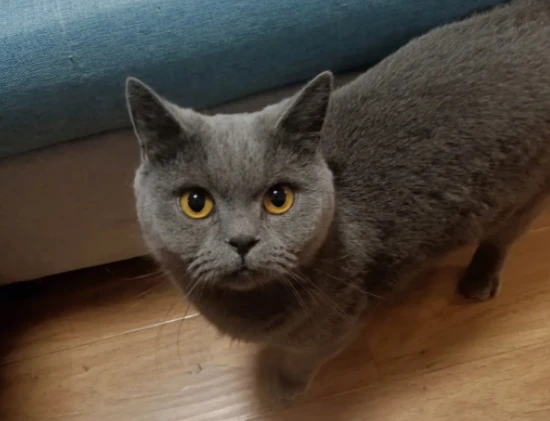
British Shorthair cats are bold and curious, but very gentle; they won't throw tantrums or meow excessively. They are highly adaptable, but their digestive systems are relatively weak. Sudden changes to their food can cause diarrhea, but there's no need to worry excessively. Just gradually introduce the new food to them and avoid switching everything at once, and diarrhea will be less likely. British Shorthairs frequently groom themselves with their barbed tongues and shed year-round, especially during the spring and autumn molting seasons. 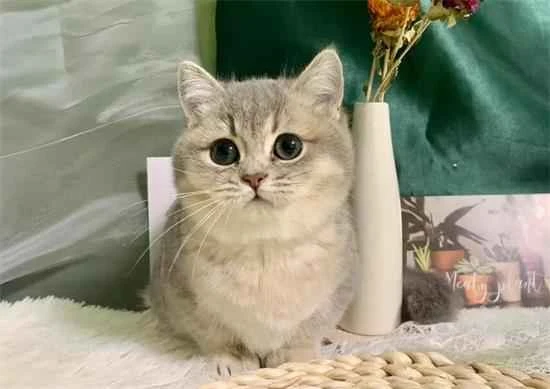
How to feed a British Shorthair cat:
1. Deworming and Vaccination. Regularly vaccinate your British Shorthair cat against rabies and other diseases. If bitten or scratched by the cat, seek immediate veterinary treatment. Regularly deworm your cat. If the cat is not intended for breeding, it is best to have it neutered.
2. Be cautious when feeding. When keeping a British Shorthair cat as a pet, be careful to store human food properly and prevent the cat from chewing on it. If you find food that the cat has chewed on, it's best to throw it away and never feed it to the cat again. When feeding cats animal liver, it's best not to do so more than 1-2 times per week. Otherwise, overfeeding can easily make the cat sick. During the cat's growth and development period, as well as during pregnancy and lactation, you can feed them some raw meat, raw liver, and milk to prevent vitamin deficiencies. If you notice oral ulcers or weight loss in your cat, you can also feed them some raw meat or raw animal liver.