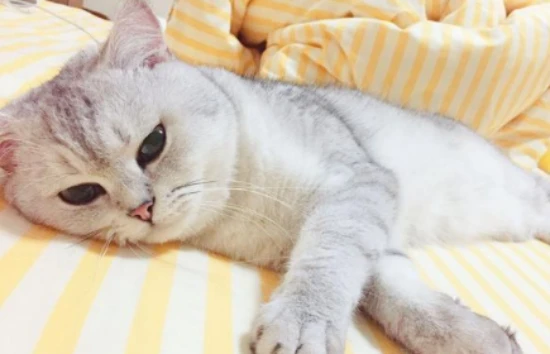
Symptoms of feline depression:
1. The cat loses interest in playing and experiences no pleasure.
2. The cat's energy is reduced, it is easily fatigued, and it is listless.
3. The cat may exhibit psychomotor retardation or agitation.
4. Cats are prone to losing confidence, and external factors can affect their mental state.
5. Cats experience difficulty making associations and feel that their thinking ability has declined.
6. The cat is depressed and repeatedly has suicidal thoughts or engages in suicidal or self-harming behavior.
7. The cat experiences sleep disorders, such as frequent insomnia, inability to fall asleep, and waking up early.
8. The cat's appetite has decreased significantly, and it has become thin and lost weight significantly.
9. A cat with decreased libido may not show signs of being in heat. 
Solutions for feline depression:
1. Sufficient companionship and attention
A cat's depression may stem from insufficient companionship. Spend more time with your cat, engage in interactive games, and cuddle them often. Make sure you give your cat all the love it needs, making it feel happy and safe.
2. Take it to the vet.
First of all, when a cat exhibits abnormal mental behavior, it is essential to take it to the vet for a professional diagnosis to determine the severity of its feline depression and then develop a suitable treatment plan.
3. Stabilize the cat's emotions
To treat feline depression, in addition to special medications to help stabilize the cat's mood, lifestyle changes are also very important. A relaxed and comfortable living environment is essential for cats suffering from depression.