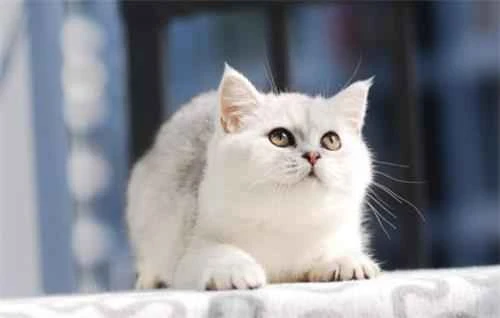
The effects of cat grass on cats:
1. Improves a cat's digestive function. Cat grass contains a lot of plant fiber, which can help cats digest some hard-to-digest foods such as meat and bones, preventing indigestion.
2. Cleans the mouth. Cat grass contains certain vitamins and trace elements, so cats can not only supplement their nutrition by eating cat grass, but also prevent problems such as oral ulcers and gingivitis.
3. Vomiting up hairballs. Cats have a habit of licking their fur to clean themselves, so they inevitably swallow some hair. Small amounts will be expelled or vomited on their own, but if there is a larger amount, the tips of cat grass can be used to induce vomiting and make it easier to vomit.
4. Relieves stress. When cats are under a lot of stress, eating a suitable amount of cat grass can significantly alleviate their stress symptoms. 
Precautions for feeding cats cat grass:
1. Do not force cats to eat cat grass. If a cat does not eat cat grass on its own, try not to force-feed it.
2. A moderate amount of cat grass can help cats digest food and prevent constipation, but excessive consumption of cat grass can cause digestive difficulties for cats, and in severe cases, may damage the cat's stomach.
3. Processing cat grass destroys its fiber and some nutrients, meaning its original benefits are lost. Feeding cat grass processed cat grass is not conducive to hairball expulsion or nutrient absorption.