Why can't cats eat salt?
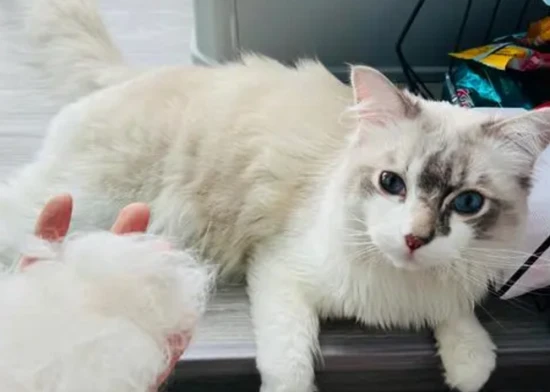
If you feed your cat too much salt, the salt content in its body will exceed the recommended level. Excessive salt can exacerbate nutritional imbalances in the cat's sebaceous glands, leading to hair loss and large-scale shedding.
Sodium chloride in salt is mainly excreted through sweat glands or kidneys. However, cats have underdeveloped sweat glands, so consuming salt can put a strain on their kidneys. Cats don't sweat much, so they consume very little salt. Furthermore, their kidneys and urinary tracts are quite delicate, making them prone to kidney stones and other urinary tract problems after consuming salt.
If a cat eats too much salt, the excess salt cannot be excreted and will remain in its body. It can only be excreted through its tongue and eye glands. Over time, eye secretions will accumulate around the cat's eyes, resulting in excessive eye discharge and heavy tear stains.